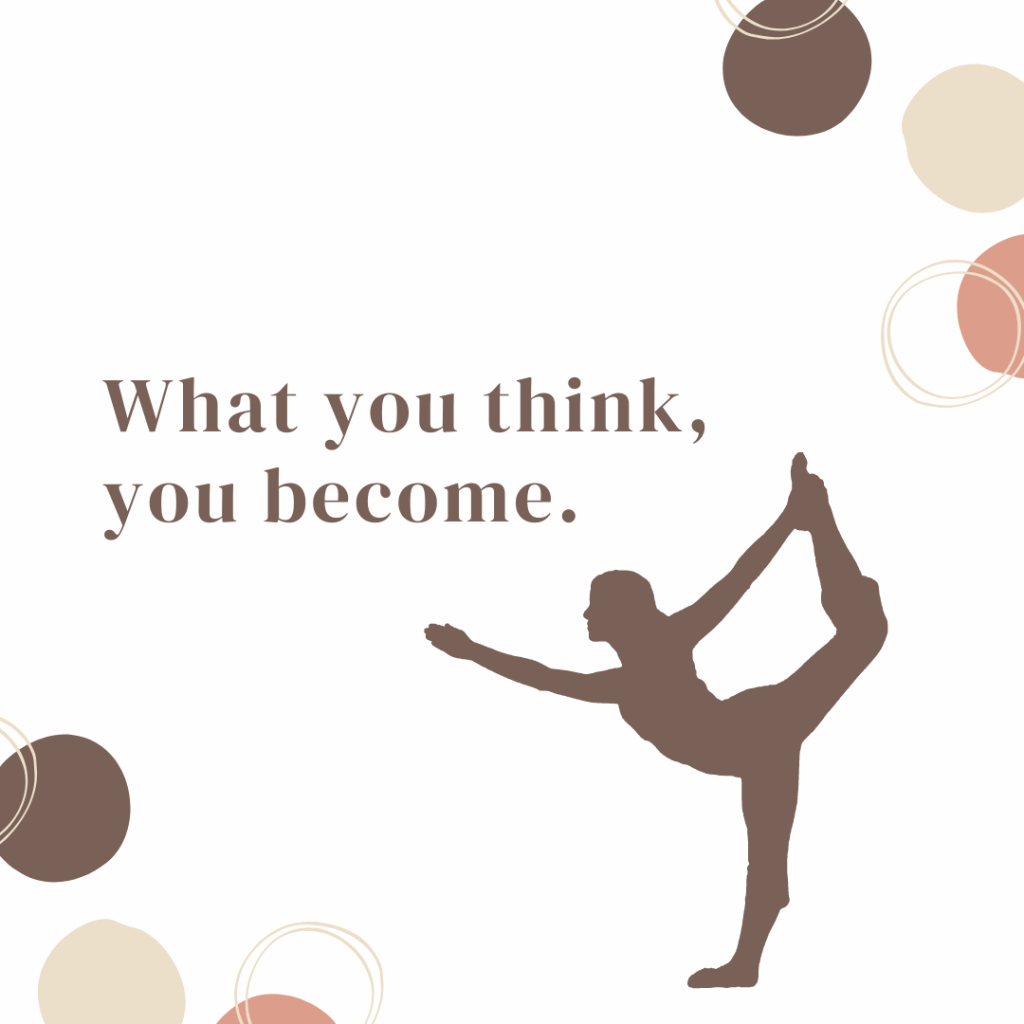
It is a known fact that what we think about and talk about is what we bring about. Therefore, we should be careful about what occupies our mind because, whether we realize it or not, all of our thoughts are like seeds that, in time, will bring forth fruit.
The name comes from the Sanskrit words vṛkṣa (वृक्ष) meaning “tree”, and āsana (आसन) meaning “posture”.
History of Tree Pose
A 7th-century stone carving in Mahabalipuram appears to contain a figure standing on one leg, perhaps indicating that a pose similar to vrikshasana was in use at that time. It is said that sadhus disciplined themselves by choosing to meditate in the pose.
The pose is described in the 17th century Gheraṇḍa Saṃhitā.
Description of Tree Pose
From Tadasana, weight is shifted to one leg, for example, starting with the left leg. The entire sole of the foot remains in contact with the floor. The right knee is bent and the right foot placed on the left inner thigh, or in half lotus position. In either foot placement, the hips should be open, with the bent knee pointing towards the side. With the toes of the right foot pointing directly down, the left foot, center of the pelvis, shoulders and head are all vertically aligned. Hands are typically held above the head either pointed directly upwards and unclasped, or clasped together in anjali mudra. The asana is typically held for 20 to 60 seconds, returning to tadasana while exhaling, then repeating standing on the opposite leg.
Benefits of Tree Pose (Vrikshasana)
Improves balance and stability in the legs.
Strengthens the ligaments and tendon of the feet.
Strengthens and tones the entire standing leg, up to the buttocks.
Assists the body in establishing pelvic stability.
Strengthen the bones of the hips and legs due to the weight-bearing nature of the pose.
Thankfulness. Gratitude is the expression of appreciation for what one has. It is a recognition of value independent of monetary worth. Spontaneously generated from within, it is an affirmation of goodness and warmth.
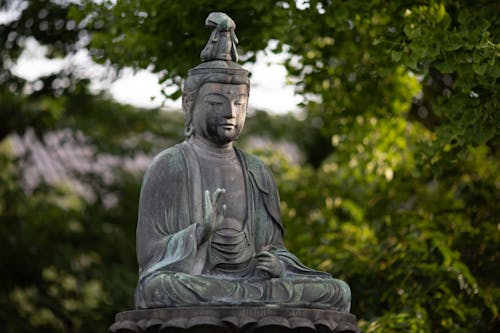
The Buddha (also known as Siddhartha Gotama or Siddhārtha Gautama) was a philosopher, mendicant, meditator, spiritual teacher, and religious leader who lived in Ancient India (c. 5th to 4th century BCE). He is revered as the founder of the world religion of Buddhism, and worshiped by most Buddhist schools as the Enlightened One who has transcended Karma and escaped the cycle of birth and rebirth. He taught for around 45 years and built a large following, both monastic and lay. (wiki)
Ustrasana is a deep backward bend from a kneeling position. The completed pose has the hands on the heels. The backs of the feet may be flat on the floor, or the toes may be tucked under for a slightly less strong backbend.
Ustrasana works subtlyto improve conditions of the digestive, respiratory, endocrine, lymphatic, skeletal, and circulatory systems.
In addition to boosting energy, some of the many benefits include:
Relieving back pain
Helps with posture
May improve confidence
Can counteract slouching and kyphosis (abnormal curvature of the spine)
Stretches your abdomen, chest, shoulders, front of your hips (hip flexors), and front of your thighs (quadriceps)
Strengthens your back muscles and back of your thighs
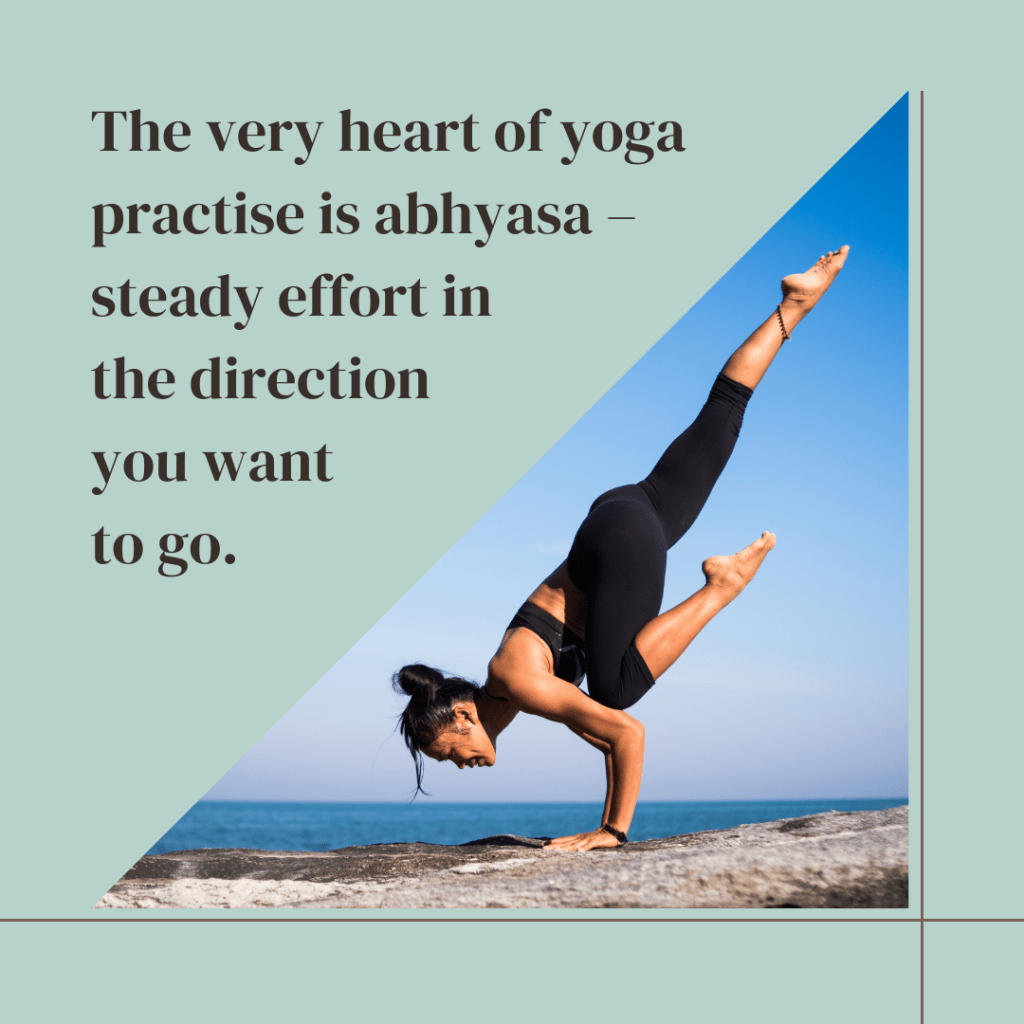
You are posed for flight! The actions you take begin with the thoughts that you make. Using intention in your daily practice helps guide your projectory and helps you find your power and balance. It is an ongoing process that can begin on the mat and then taken into your day.
Take some time each morning to ground yourself and reminds yourself of the direction in which you wish to go. I simple journal can be helpful. You can also use that same journal when you go to bed to reflect on the day.
“Each morning we are born again. What we do today matters is what matters the most” – Buddha
The sources which present a full and complete picture of the life of Siddhārtha Gautama are a variety of different, and sometimes conflicting, traditional biographies. These include the Buddhacarita, Lalitavistara Sūtra, Mahāvastu, and the Nidānakathā. Of these, the Buddhacarita is the earliest full biography, an epic poem written by the poet Aśvaghoṣa in the first century CE. The Lalitavistara Sūtra is the next oldest biography, a Mahāyāna/Sarvāstivāda biography dating to the 3rd century CE. The Mahāvastu from the Mahāsāṃghika Lokottaravāda tradition is another major biography, composed incrementally until perhaps the 4th century CE. The Dharmaguptaka biography of the Buddha is the most exhaustive, and is entitled the Abhiniṣkramaṇa Sūtra, and various Chinese translations of this date between the 3rd and 6th century CE. The Nidānakathā is from the Theravada tradition in Sri Lanka and was composed in the 5th century by Buddhaghosa.
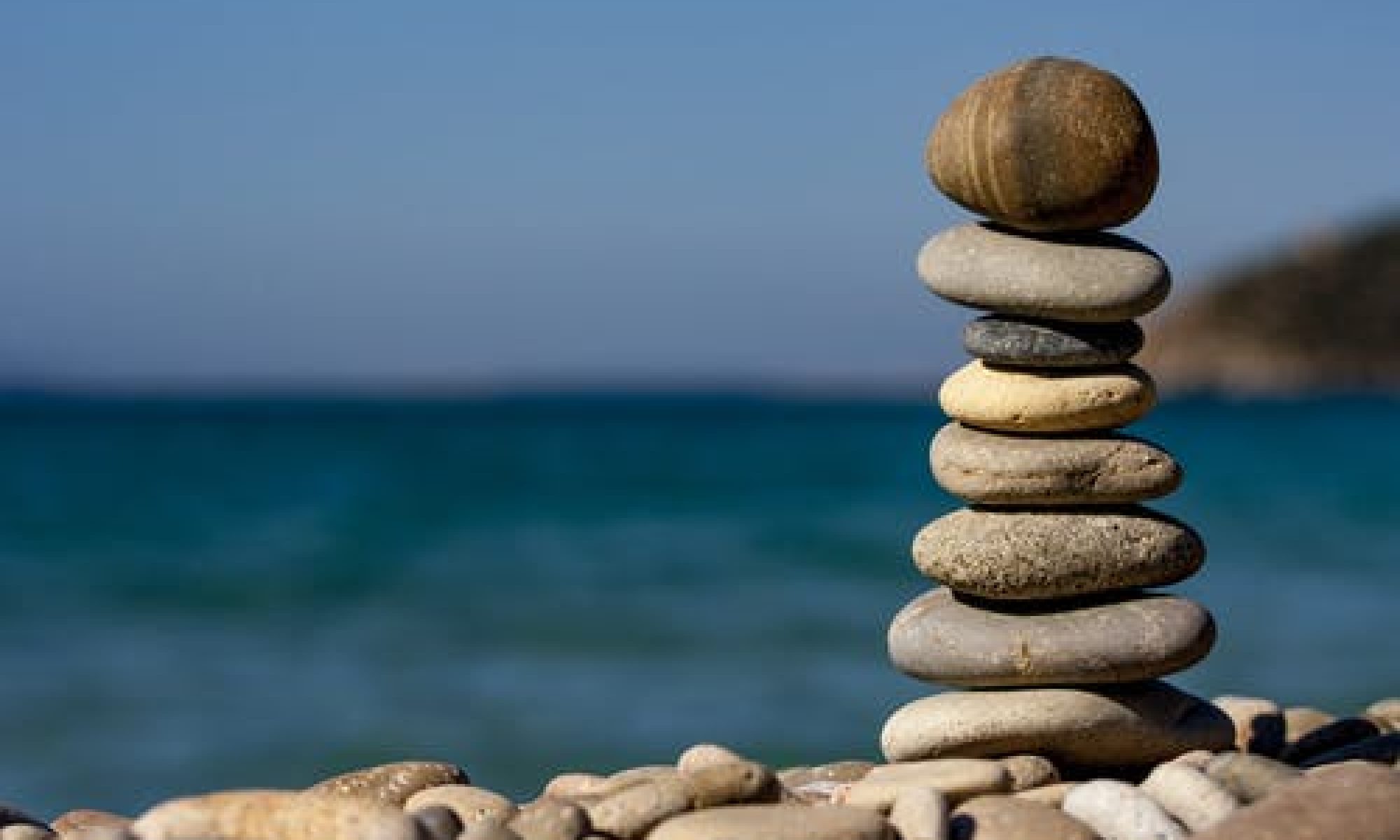
Chaos usually feels like things are scattered, moving in all directions or shifting unpredictably. When things are chaotic and you need to quiet your mind, it is essential to find you center, that place of balance within yourself, so you can become calm. They are many techniques in yoga that can help you do this. You can close your eyes and meditate, blocking out the external visual world to concentrate on your own inner world. You can observe you breathe, offering your attention to something simple and powerful on which to focus. You you chant a mantra or a single word that calms you. When you need to quiet that raging world outside, these techniques offer you access to your calm center.













 Inspired Life