

To learn more:
The Heart of the Buddha’s Teaching: Transforming Suffering into Peace, Joy, and Liberation

Reiki is the Japanese word for Universal Life Force Energy. When the ‘Rei’ and ‘Ki’ are broken down into their two component parts, the Kanji (Japanese alphabet) definition for Rei is universal, transcendental spirit, mysterious power, essence. Ki is described as the vital life force energy, very similar to the Chi of Chinese acupuncture, Light to Christians, and Bioplasmic Energy to Russian researchers.
We all have Reiki energy (Universal Life Force Energy), for it is our birth right. What makes Reiki different from other healing methods, is the attunement (Also known as the initiation) process which the student experiences in the various levels of Reiki classes. Anyone can lay their hands on another person and help accelerate the healing process by transferring magnetic energy. A person who has been through the process of Reiki attunements however has experienced a very ancient technology for fine tuning the physical and etheric bodies to a higher vibratory level. In addition, certain of the energy centres, also known as chakras, are opened to enable the person to channel (And vibrate) higher amounts of Universal Life Force Energy.Reiki is never sent, it is drawn through the channel. For example, If I lay my hands on you to do a treatment, you will draw appropriate amounts of energy to which ever areas of your body need it. I am never drained in the process, as I too am treated as I “Give” a treatment. The energy enters at my crown chakra and passes through the upper energy centres to my heart and solar plexus. The rest then passes through my arms and hands to your body. I am thus never drained in the process, as a certain
via Reiki- Healing Science — Reiki energy


“Yoga is a light, which once lit will never dim. The better your practice, the brighter your flame.” — B.K.S. Iyengar


“Undisturbed calmness of mind is attained by cultivating friendliness toward the happy, compassion for the unhappy, delight in the virtuous.
― Patanjali, The Yoga Sutras of Patanjali

With the current pandemic, many of us have been spending more time indoors and most likely experiencing more stress and tension than usual. Starting off your morning with a few easy and simple stretches can be one way to ease into the day, relieve a little bit of that stress, and do something good for your body.
Below are a few great resources that share simple morning stretches that require no equipment
via Morning Stretches — Metabolic Balance Blog
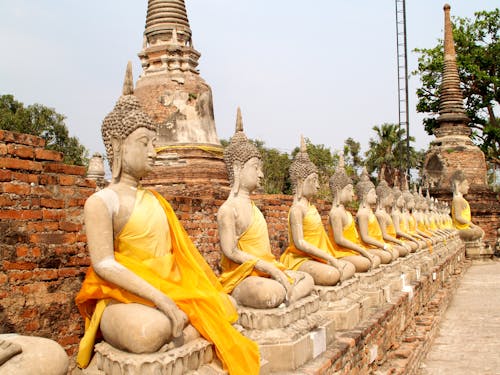
“There’s no use looking back at yesterday. Every morning when the sun rises, I am a changed person. Don’t let yesterday steal today’s joy.. Every time the sun rises, it’s a new opportunity to make your life the best of your life. Enjoy every moment.” Namaste enjoy your day” Buddha
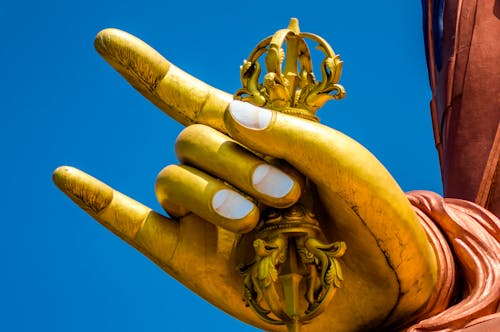
Tonight I will be focusing on Sutra No. 5 from book one (which is the portion on contemplation) from The Yoga Sūtras of Patañjali. They are a collection of 196 Sanskrit sutras (aphorisms) on the theory and practice of yoga. The Yoga Sutras were compiled sometime between 500 BCE and 400 CE by the sage Patanjali in India who synthesized and organized knowledge about yoga from much older traditions.
Best translated to English it read...”There are five kinds of mental modification that are either painful or painless.”
Some thoughts bring us pain. Others do not. A good way to look at them as either being selfish or selfless thoughts. And if you’re thinking….I thought the whole point of the Sutras was to quiet the mind, remember this is number 5 out of 196. And while we try, this is the beginning and it takes time. So in book one, we’re learning and becoming an analyst of our mind….silently watching. This is part of the process. Books two, three and four will deal with Practice, Accomplishment and Absoluteness, respectively). So for know we simply acknowledge our thoughts and training us to have selfless thoughts.

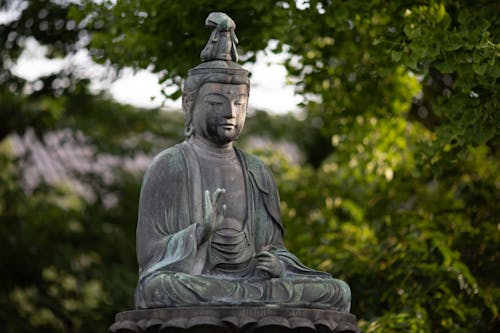
The sources which present a full and complete picture of the life of Siddhārtha Gautama are a variety of different, and sometimes conflicting, traditional biographies. These include the Buddhacarita, Lalitavistara Sūtra, Mahāvastu, and the Nidānakathā. Of these, the Buddhacarita is the earliest full biography, an epic poem written by the poet Aśvaghoṣa in the first century CE. The Lalitavistara Sūtra is the next oldest biography, a Mahāyāna/Sarvāstivāda biography dating to the 3rd century CE. The Mahāvastu from the Mahāsāṃghika Lokottaravāda tradition is another major biography, composed incrementally until perhaps the 4th century CE. The Dharmaguptaka biography of the Buddha is the most exhaustive, and is entitled the Abhiniṣkramaṇa Sūtra, and various Chinese translations of this date between the 3rd and 6th century CE. The Nidānakathā is from the Theravada tradition in Sri Lanka and was composed in the 5th century by Buddhaghosa.
WATCH NOW – Basics of Zen Buddhism
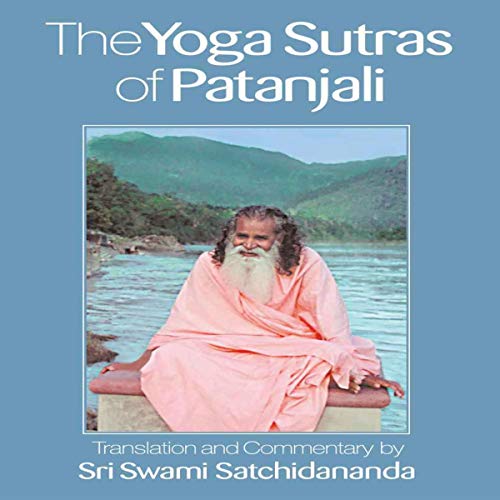
READ FOR FREE – The Yoga Sutras of Patanjali

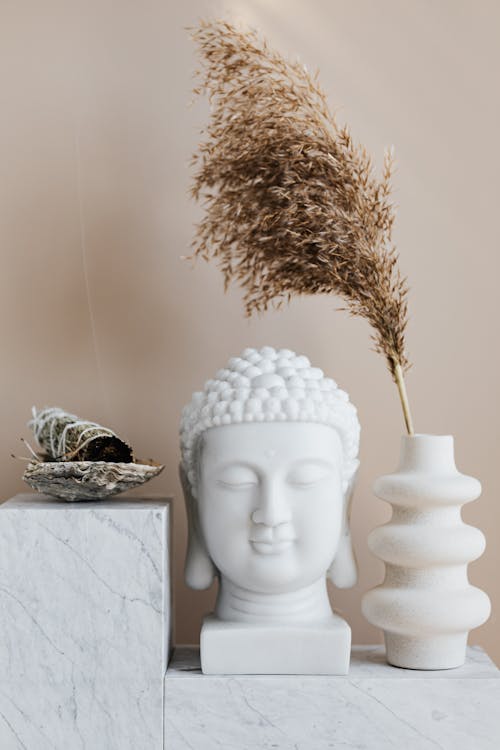
According to the Buddhist tradition, Gautama was born in Lumbini, now in modern-day Nepal, and raised in Kapilvastu, which may have been either in what is present-day Tilaurakot, Nepal or Piprahwa, India. According to Buddhist tradition, he obtained his enlightenment in Bodh Gaya, gave his first sermon in Sarnath, and died in Kushinagar.
One of Gautama’s usual names was “Sakamuni” or “Sakyamunī” (“Sage of the Shakyas”). This and the evidence of the early texts suggests that he was born into the Shakya clan, a community that was on the periphery, both geographically and culturally, of the eastern Indian subcontinent in the 5th century BCE. The community was either a small republic, or an oligarchy. His father was an elected chieftain, or oligarch. Bronkhorst calls this eastern culture Greater Magadha and notes that “Buddhism and Jainism arose in a culture which was recognized as being non-Vedic”.

Eat Pray Love….by Elizabeth Gilbert
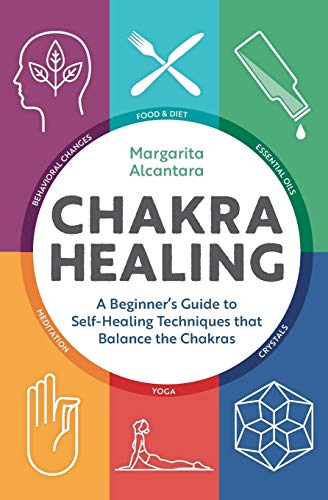

 Inspired Life