Today’s Daily Buddha

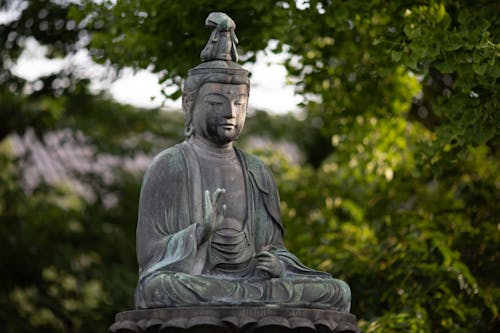
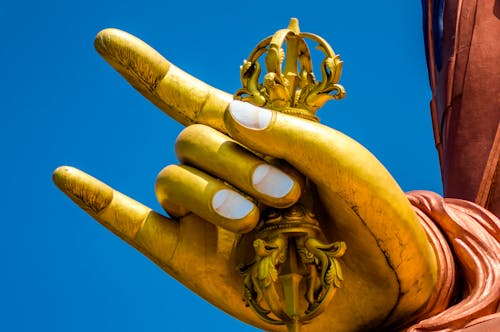
Buddha Hand Statue

This is a saying from the Pali canon, upadhi dukkhassa mūlanti, which means “Attachment is the root of suffering.” So this is a genuine canonical quote.

You’ll find it in this sutta, but translated by Thanissaro as “Acquisition is the root of stress.” His translations are rather idiosyncratic.

In this translation of the same sutta it’s “acquisition is the root of suffering.”

Bhikkhu Bodhi’s translation (not available online, but in The Middle Length Discourses of the Buddha, page 868) has “attachment is the root of suffering,” although he sometimes has “acquisition” in place of “attachment,” in various repetitions of the phrase.

https://www.realbuddhaquotes.com/the-root-of-suffering-is-attachment/
 

B00EXVDF54

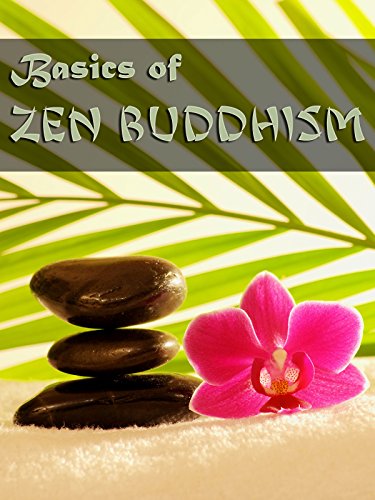
Basics of Zen Buddhism 


1938477073

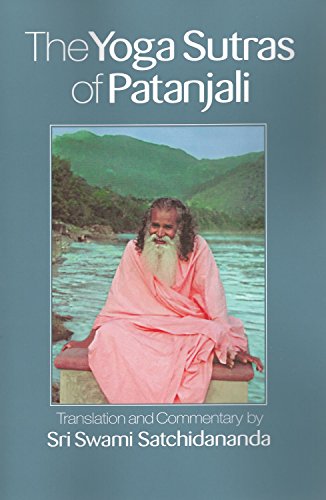
The Yoga Sutras of Patanjali


B01CY65O3A

Mala Beads

What Is Yoga And What Is The Real Meaning Of yoga? — Our Sacred Space

The term “Yoga” is derived from the Sanskrit word “Yuj”, meaning, “to unite”, or “to join”. It brings a perfect harmony between the mind as well as body. We can also say that it is the union of the individual consciousness with the universal consciousness. The ultimate aim is to attain self-realization, or “moksha”. Then, a person will be free from all his fears and sufferings and he will attain his ultimate freedom. A person who does yoga is a “Yogi”.

Lord Shiva is the first yogi or “Adiyogi”. According to history, Lord Shiva poured his knowledge to the seven sages, who in turn took it to different parts of the world. Agastya, one of the seven sages brought it to India, from where it took its full expression. Further, Maharishi Pathanjali organized yoga in a certain format. This is called as Yoga Sutras. “Sutra” means thread. Yoga sutras contain 196 sutras which explain all about the spiritual journey of yoga. According to the Sutras of Pathanjali “Yoga is the calming down of the fluctuations/patterns of consciousness”.

Types of Yoga

Here are some of the common types of yoga:

  1. Kundalini: “Kundalini” is the “life force energy”, that is, the energy coiled at the base of the spine. This type is all about unlocking the energy present at the base of the spine to relieve stress and negativity. It includes a series of breathing and warm-up exercises along with some challenging poses.
  2. Vinyasa: This is “Flow Yoga”. Here, the poses are in co-ordination with the breath, that is, in a continuous flow.

via What Is Yoga And What Is The Real Meaning Of yoga? — Our Sacred Space

146547935X

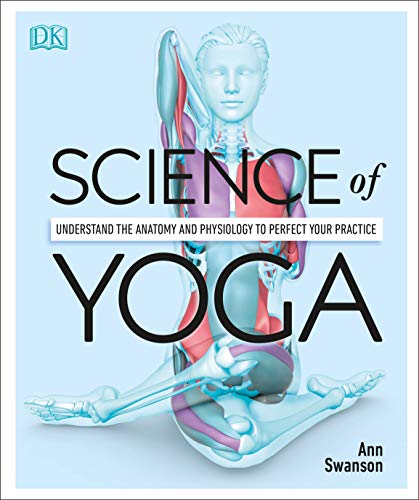
Science of Yoga


1585426504

Energy Medicine 

Let us be grateful

Gratitude is acknowledging what we are, where we are and the gifts we give and receive from the universe.

Before the heart opens, we must surrender to our current situation, whatever it may be. We must accept that things are exactly the way they are meant to be right now. Everything is perfect, the universe is the greatest teacher and all of our experiences are simply lessons of love, from love itself.

Let us acknowledge what we are, let us see that we are all beings of light and love. We are spiritual beings having a wordly experience, not wordly beings having a spiritual experience. All that exists is sat-cit-ananda, eternal existence, consciousness and bliss. This is our true nature, this is the fragrance of the lotus in the heart. We are not the body, we are not the emotions, we are not the endless thoughts and worries. We are the neutral observer who watches the divine play. We live in the heart, centred, balanced and blissful.

Let us focus on our true nature as a single point of light in the centre of your heart, in the eye of the storm, the calm centre around which all experiences revolve. You can take refuge in this heart at any time, you can come back and sit in your lotus in the heart. It is a safe space where you can be who you truly are.

via Let us be grateful — Living with Satya


B00XQNBGK6

Attitudes of Gratitude Journal 


B072LP4SZB

Chakra Bracelet 

Yoga Sutras of Patanjali — Divyamswrites

The Patanjali Yoga Sutras are the combination of 196 Yoga Sutras from ancient Hindu times that depicts the theory and practice of yoga, given by Rishi munis. It has been the most translated ancient Indian text of the medieval era, which was further translated into 40 Indian and 2 Non-Indian languages. The Patanjali Yoga Sutras was under considerable obscurity for approximately 700 years in between 12th to the 19th century. It again came into existence in the 19th Century because of our unsung heroes like Swami Vivekanand.

The rishi munis not only help you getting control over your anger, jealousy, anxiety but will also help you stay fit by practicing yoga positions and me[…]

via Yoga Sutras of Patanjali — Divyamswrites


1938477073

The Yoga Sutras of Patanjali


B00EXVDF54

Basics of Zen Buddhism 

Today’s Daily Buddha

“The root of suffering is attachment.”  Buddha

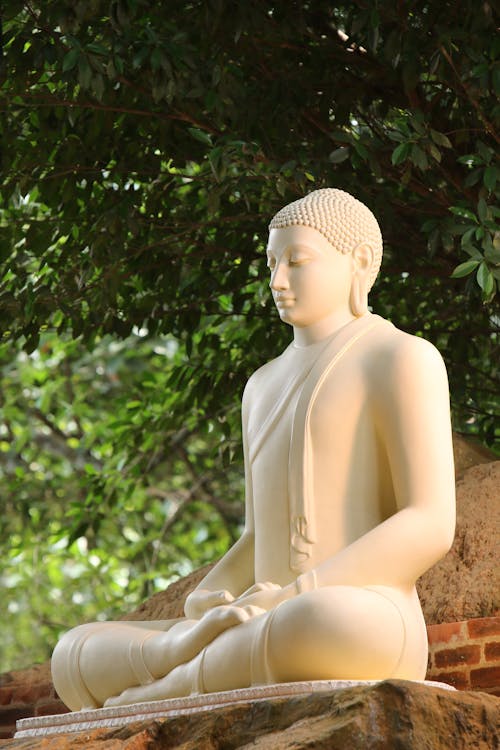
Buddha Hand Statue

This is a saying from the Pali canon, upadhi dukkhassa mūlanti, which means “Attachment is the root of suffering.” So this is a genuine canonical quote.

You’ll find it in this sutta, but translated by Thanissaro as “Acquisition is the root of stress.” His translations are rather idiosyncratic.

In this translation of the same sutta it’s “acquisition is the root of suffering.”

Bhikkhu Bodhi’s translation (not available online, but in The Middle Length Discourses of the Buddha, page 868) has “attachment is the root of suffering,” although he sometimes has “acquisition” in place of “attachment,” in various repetitions of the phrase.

https://www.realbuddhaquotes.com/the-root-of-suffering-is-attachment/
 

B01CY65O3A

Mala Beads


B07T2K6V8K

Boho Yoga Pants


Today’s Daily Buddha

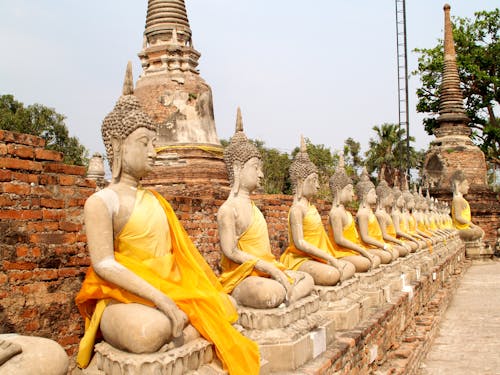
Line of Buddha Statues

“There’s no use looking back at yesterday. Every morning when the sun rises, I am a changed person. Don’t let yesterday steal today’s joy.. Every time the sun rises, it’s a new opportunity to make your life the best of your life. Enjoy every moment.” Namaste enjoy your day” Buddha


B00EXVDF54

Basics of Zen Buddhism