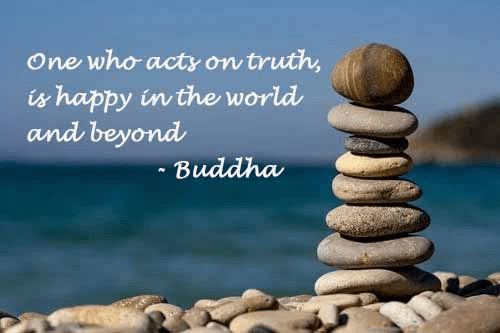
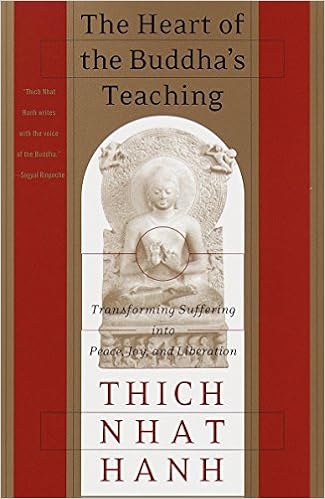
The Buddha (also known as Siddhartha Gotama or Siddhārtha Gautama) was a philosopher, mendicant, meditator, spiritual teacher, and religious leader who lived in Ancient India (c. 5th to 4th century BCE). He is revered as the founder of the world religion of Buddhism, and worshiped by most Buddhist schools as the Enlightened One who has transcended Karma and escaped the cycle of birth and rebirth. He taught for around 45 years and built a large following, both monastic and lay. (wiki)
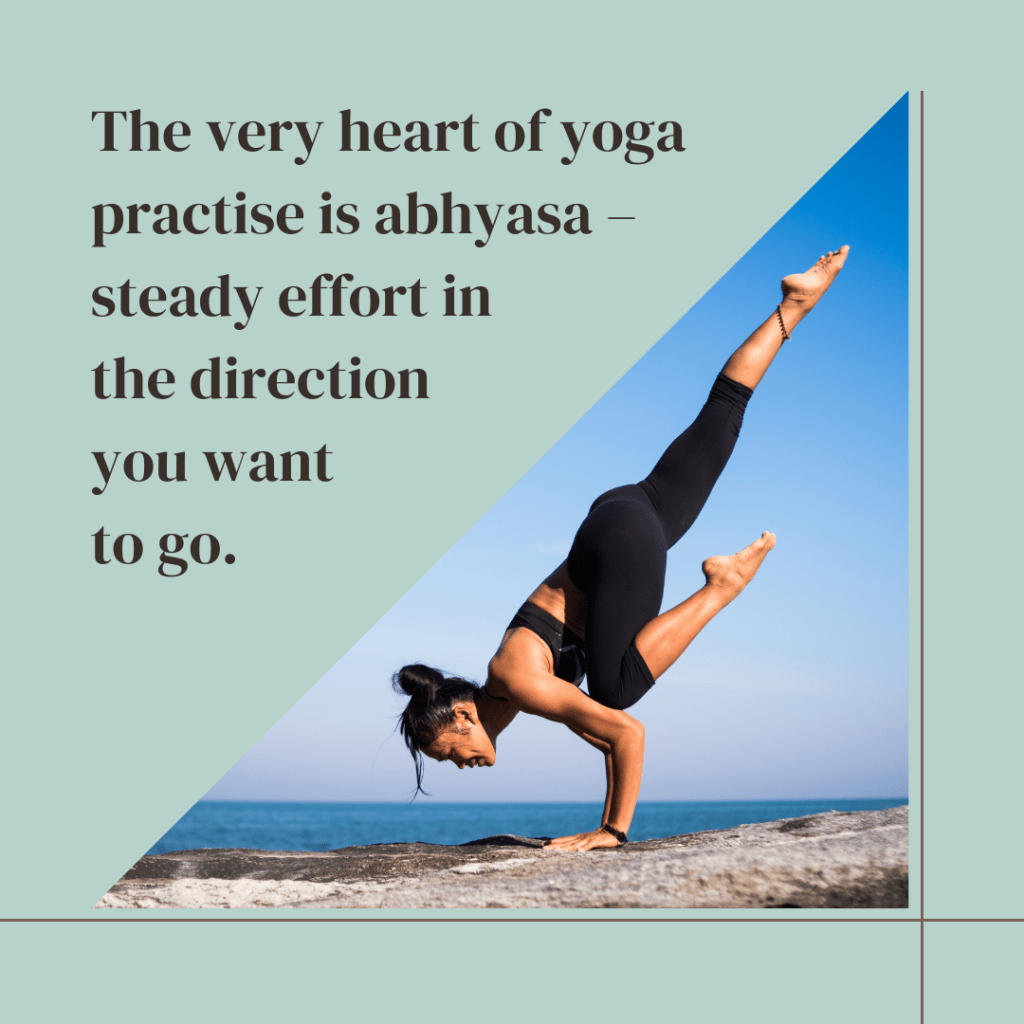
Take some time each morning to ground yourself and reminds yourself of the direction in which you wish to go. I simple journal can be helpful. You can also use that same journal when you go to bed to reflect on the day.
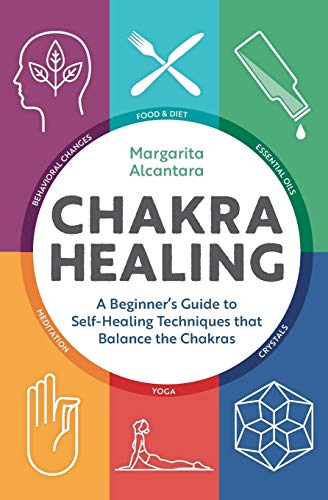
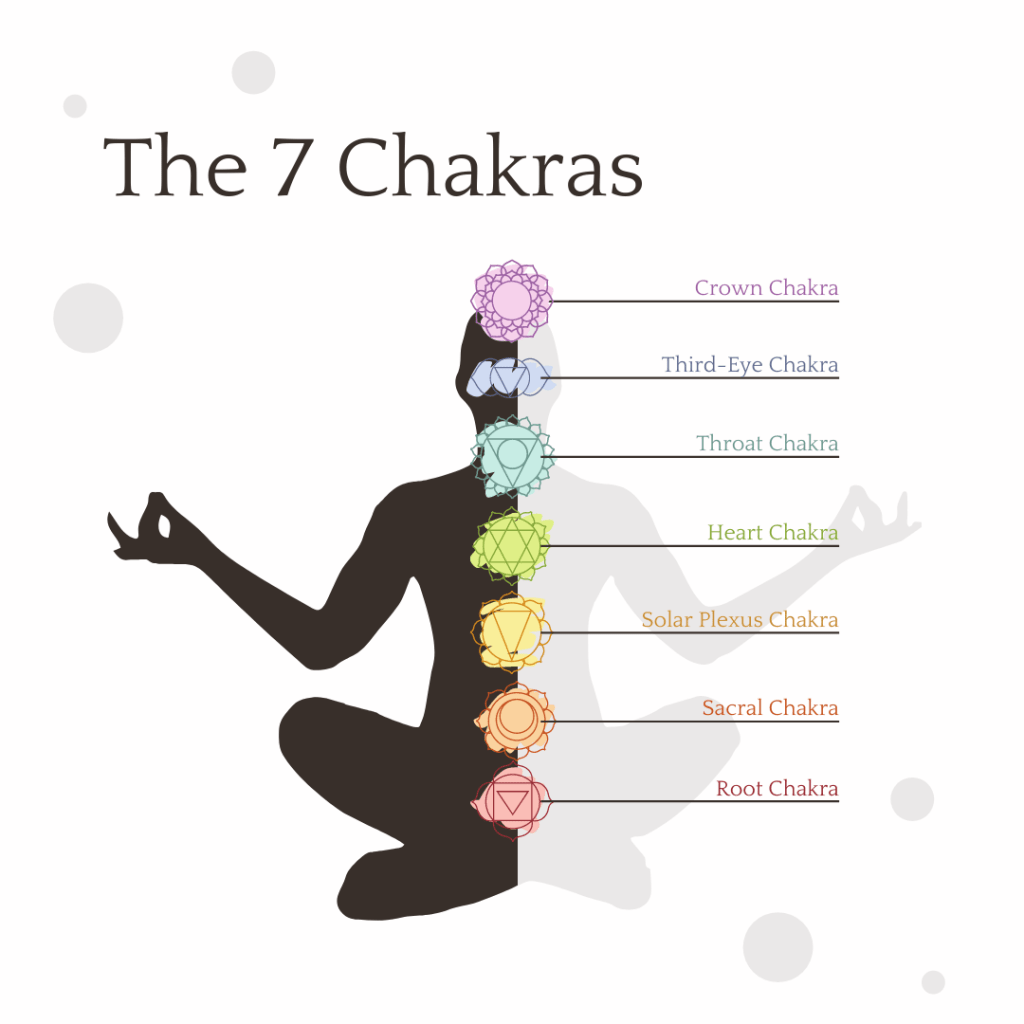
The important chakras are stated in Hindu and Buddhist texts to be arranged in a column along the spinal cord, from its base to the top of the head, connected by vertical channels. The tantric traditions sought to master them, awaken and energize them through various breathing exercises or with assistance of a teacher. These chakras were also symbolically mapped to specific human physiological capacity, seed syllables (bija), sounds, subtle elements (tanmatra), in some cases deities, colors and other motifs.
CHAKRA SOUNDS
There are numerous sound that seem to resonate the chakras. Among the most popular are the use of vowels and the use of mantras. This use of vowels seem to be highly effective in balancing the chakras. The Sacred Vowel are considered sacred in many different traditions and Mystery Schools throughout the planet, including ancient Egyptians, Hebrew, Islamic, Tibetan, Japanese and Native American. There are a number of different systems of Sacred Vowels to balance the chakras. I have utilized a system of sounding the sacred vowels that came to me many years ago and that I have shared effectively with thousands of people. (https://www.healingsounds.com/sound-and-the-chakras/)
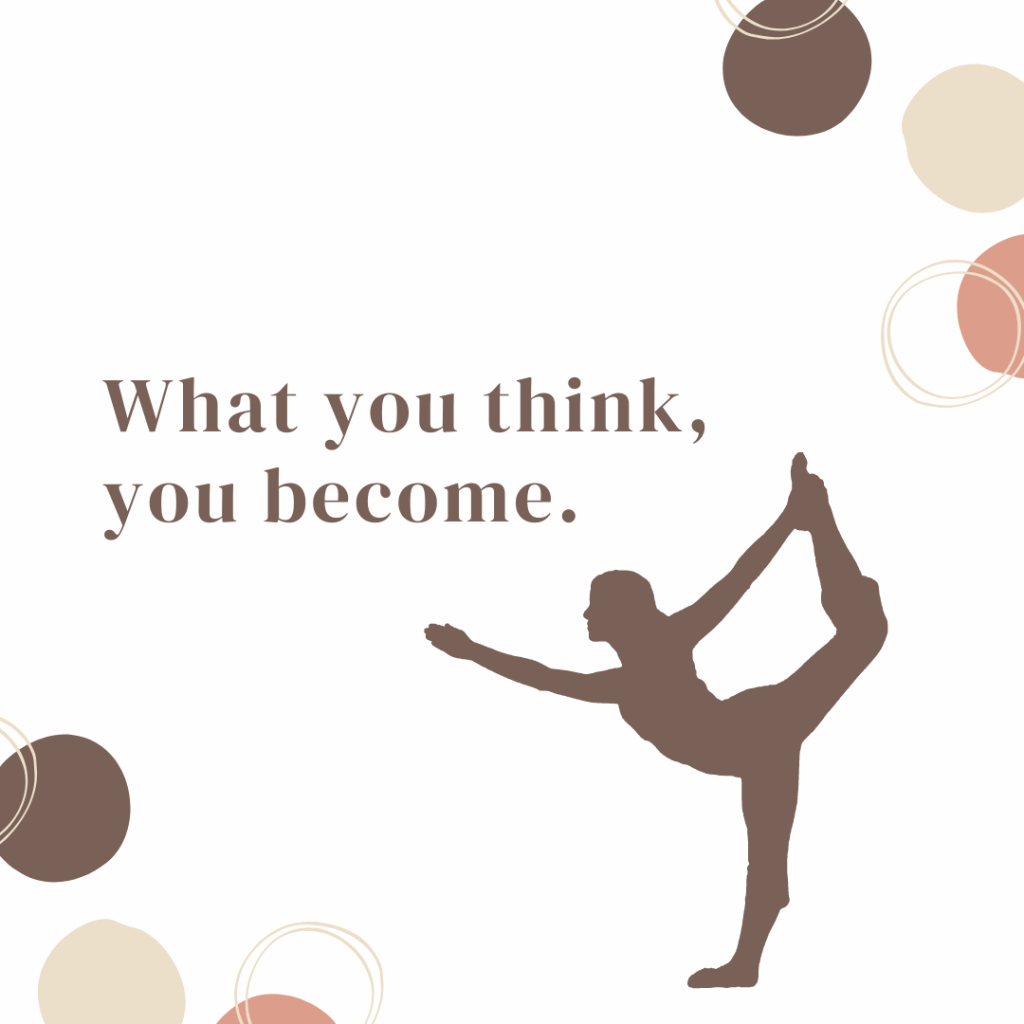
You are posed for flight! The actions you take begin with the thoughts that you make. Using intention in your daily practice helps guide your projectory and helps you find your power and balance. It is an ongoing process that can begin on the mat and then taken into your day.
Downward Dog Pose, Downward-facing Dog Pose,] or Adho Mukha Shvanasana (Sanskrit: अधोमुखश्वानासन; IAST: Adho Mukha Śvānāsana), is an inversion asana in modern yoga as exercise, often practised as part of a flowing sequence of poses, especially Surya Namaskar, the Salute to the Sun The asana does not have formally named variations, but several playful variants are used to assist beginning practitioners to become comfortable in the pose.
Downward Dog stretches the hamstring and calf muscles in the backs of the legs, and builds strength in the shoulders. Some popular sites have advised against it during pregnancy, but an experimental study of pregnant women found it beneficial.
Downward Dog has been called “deservedly one of yoga’s most widely recognized yoga poses” and the “quintessential yoga pose”. As such it is often the asana of choice when yoga is depicted in film, literature, and advertising. The pose has frequently appeared in Western culture, including in the titles of novels, a painting, and a television series, and it is implied in the name, YOGΛ, of a foldable computer.
History of Downward Facing Dog
The name comes from the pose’s similarity to the way a dog stretches when getting up. The Sanskrit name is from adhas (अधस्) meaning “down”, mukha (मुख) meaning “face”, śvāna (श्वान) meaning “dog”, and āsana (आसन) meaning “posture” or “seat”.
The name is not found in the medieval hatha yoga texts, but a similar posture, Gajāsana (Elephant Pose), was described in the 18th century Hațhābhyāsapaddhati; the text calls for it to be repeated “over and over again” from a prone position.
Description
The pose has the head down, ultimately touching the floor, with the weight of the body on the palms and the feet. The arms are stretched straight forward, shoulder width apart; the feet are a foot apart, the legs are straight, and the hips are raised as high as possible.
The pose is approached differently in different schools of yoga. In Iyengar Yoga, the pose can be entered from a prone position, with the hands beside the chest, setting the distance between hands and feet. In schools such as Sivananda Yoga, the pose is practised as part of Surya Namaskar, the Salute to the Sun, for example following Urdhva Mukha Shvanasana (Upward Dog Pose) by exhaling, curling the toes under, and raising the hips. In the Bihar School of Yoga, the pose is named Parvatasana, Mountain Pose, the hands and feet somewhat closer to each other so that the angle at the hips is sharper; it is entered from a lunge (Ashwa Sanchalanasana) in a variant of Surya Namaskar. (wiki)
Benefits of the Pose
Strengthens hands, wrists, low-back, hamstrings, calves and Achilles tendon
A great stretch for your feet, hamstrings, calf muscles, and biceps
Opens and strengthens shoulders
Strengthens triceps and bicep
Helps you connect to your core.
Can be calming after strenuous poses
Strengthen quads, hip flexors, and knee joint
Increased full-body circulation
Decreases back pain by strengthening the entire back and shoulder girdle
Elongated shoulders and shoulder blade area
Decrease in tension and headaches by elongating the cervical spine and neck and relaxing the head
It is a known fact that what we think about and talk about is what we bring about. Therefore, we should be careful about what occupies our mind because, whether we realize it or not, all of our thoughts are like seeds that, in time, will bring forth fruit.
Thankfulness. Gratitude is the expression of appreciation for what one has. It is a recognition of value independent of monetary worth. Spontaneously generated from within, it is an affirmation of goodness and warmth.
The Buddha (also known as Siddhartha Gotama or Siddhārtha Gautama) was a philosopher, mendicant, meditator, spiritual teacher, and religious leader who lived in Ancient India (c. 5th to 4th century BCE). He is revered as the founder of the world religion of Buddhism, and worshiped by most Buddhist schools as the Enlightened One who has transcended Karma and escaped the cycle of birth and rebirth. He taught for around 45 years and built a large following, both monastic and lay. (wiki)
You are posed for flight! The actions you take begin with the thoughts that you make. Using intention in your daily practice helps guide your projectory and helps you find your power and balance. It is an ongoing process that can begin on the mat and then taken into your day.













 Inspired Life