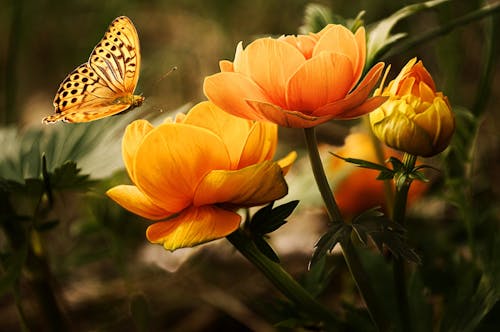
And the day came when the risk to remain tight was more painful then the risk to blossom – Anais Nin

Change your thoughts – Change your life

And the day came when the risk to remain tight was more painful then the risk to blossom – Anais Nin
Change your thoughts – Change your life
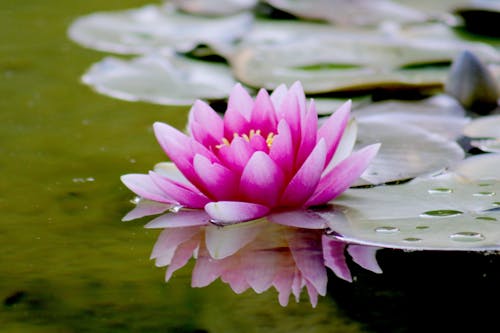
“If you change the way you look at things, the things you look at change.” by Wayne Dyer



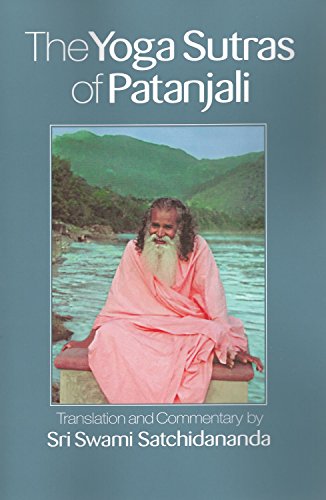
“Undisturbed calmness of mind is attained by cultivating friendliness toward the happy, compassion for the unhappy, delight in the virtuous.
― Patanjali, The Yoga Sutras of Patanjali
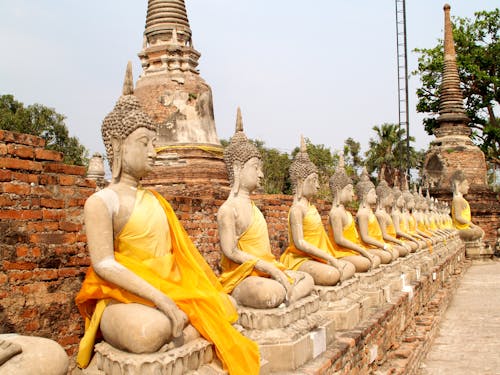
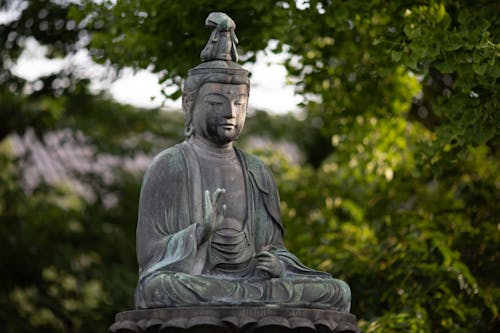
“There’s no use looking back at yesterday. Every morning when the sun rises, I am a changed person. Don’t let yesterday steal today’s joy.. Every time the sun rises, it’s a new opportunity to make your life the best of your life. Enjoy every moment.” Namaste enjoy your day” Buddha

The sources which present a full and complete picture of the life of Siddhārtha Gautama are a variety of different, and sometimes conflicting, traditional biographies. These include the Buddhacarita, Lalitavistara Sūtra, Mahāvastu, and the Nidānakathā. Of these, the Buddhacarita is the earliest full biography, an epic poem written by the poet Aśvaghoṣa in the first century CE. The Lalitavistara Sūtra is the next oldest biography, a Mahāyāna/Sarvāstivāda biography dating to the 3rd century CE. The Mahāvastu from the Mahāsāṃghika Lokottaravāda tradition is another major biography, composed incrementally until perhaps the 4th century CE. The Dharmaguptaka biography of the Buddha is the most exhaustive, and is entitled the Abhiniṣkramaṇa Sūtra, and various Chinese translations of this date between the 3rd and 6th century CE. The Nidānakathā is from the Theravada tradition in Sri Lanka and was composed in the 5th century by Buddhaghosa.
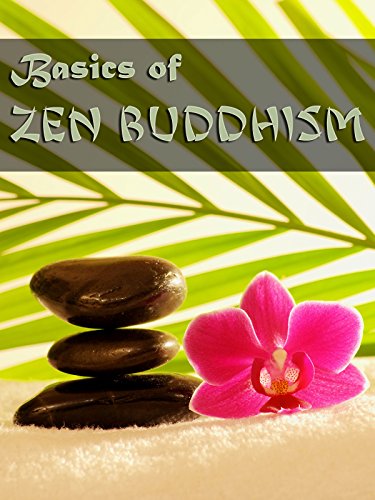
WATCH NOW – Basics of Zen Buddhism
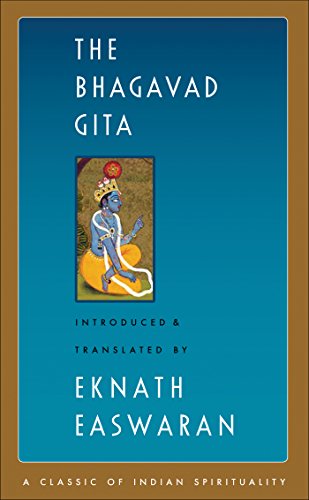
READ FOR FREE – The Yoga Sutras of Patanjali
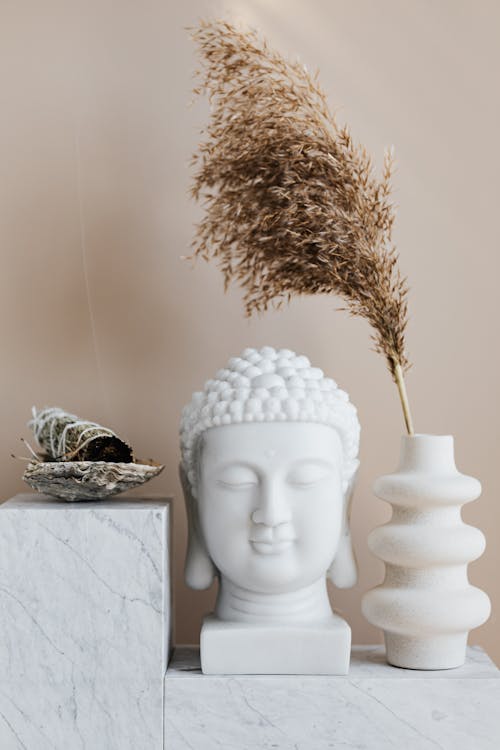
According to the Buddhist tradition, Gautama was born in Lumbini, now in modern-day Nepal, and raised in Kapilvastu, which may have been either in what is present-day Tilaurakot, Nepal or Piprahwa, India. According to Buddhist tradition, he obtained his enlightenment in Bodh Gaya, gave his first sermon in Sarnath, and died in Kushinagar.
One of Gautama’s usual names was “Sakamuni” or “Sakyamunī” (“Sage of the Shakyas”). This and the evidence of the early texts suggests that he was born into the Shakya clan, a community that was on the periphery, both geographically and culturally, of the eastern Indian subcontinent in the 5th century BCE. The community was either a small republic, or an oligarchy. His father was an elected chieftain, or oligarch. Bronkhorst calls this eastern culture Greater Magadha and notes that “Buddhism and Jainism arose in a culture which was recognized as being non-Vedic”.
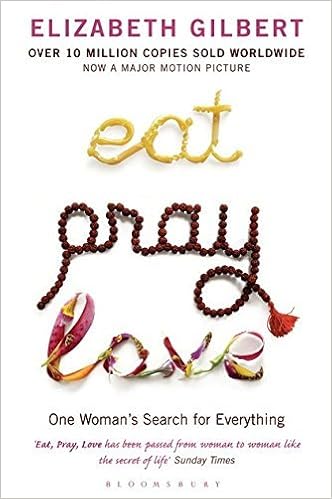
Eat Pray Love….by Elizabeth Gilbert

Soon to be released: Total Meditation: Practices in Living the Awakened Life Hardcover – September 22, 2020 by my favorite author Dr. Deepak Chopra
The definitive book of meditation that will help you achieve new dimensions of stress-free living.

For the past thirty years, Deepak Chopra has been at the forefront of the meditation revolution in the West. Total Meditation offers a complete exploration and reinterpretation of the physical, mental, emotional, relational, and spiritual benefits that this practice can bring. Deepak guides readers on how to wake up to new levels of awareness that will ultimately cultivate a clear vision, heal suffering in your mind and body, and help recover who you really are. Readers will undergo a transformative process, which will result in an awakening of the body, mind, and spirit that will allow you to live in a state of open, free, creative, and blissful awareness twenty-four hours a day.
With this book, Deepak elevates the practice of meditation to a life-changing quest for higher consciousness and a more fulfilling existence. He also incorporates new research on meditation and its benefits, provides practical awareness exercises, and concludes with a 52-week program of meditations to help revolutionize every aspect of your life.

“The mind is everything. What you think
When you realize nothing is lacking, the whole world belongs to you. Lao Tzu
Lao Tzu, also rendered as Laozi and Lao-Tze, was an ancient Chinese philosopher and writer. He is the reputed author of the Tao Te Ching, the founder of philosophical Taoism, and a deity in religious Taoism and traditional Chinese religions.
WATCH NOW – Basics of Zen Buddhism
READ FOR FREE – The Yoga Sutras of Patanjali
 Inspired Life