The Benefits of Child’s Pose
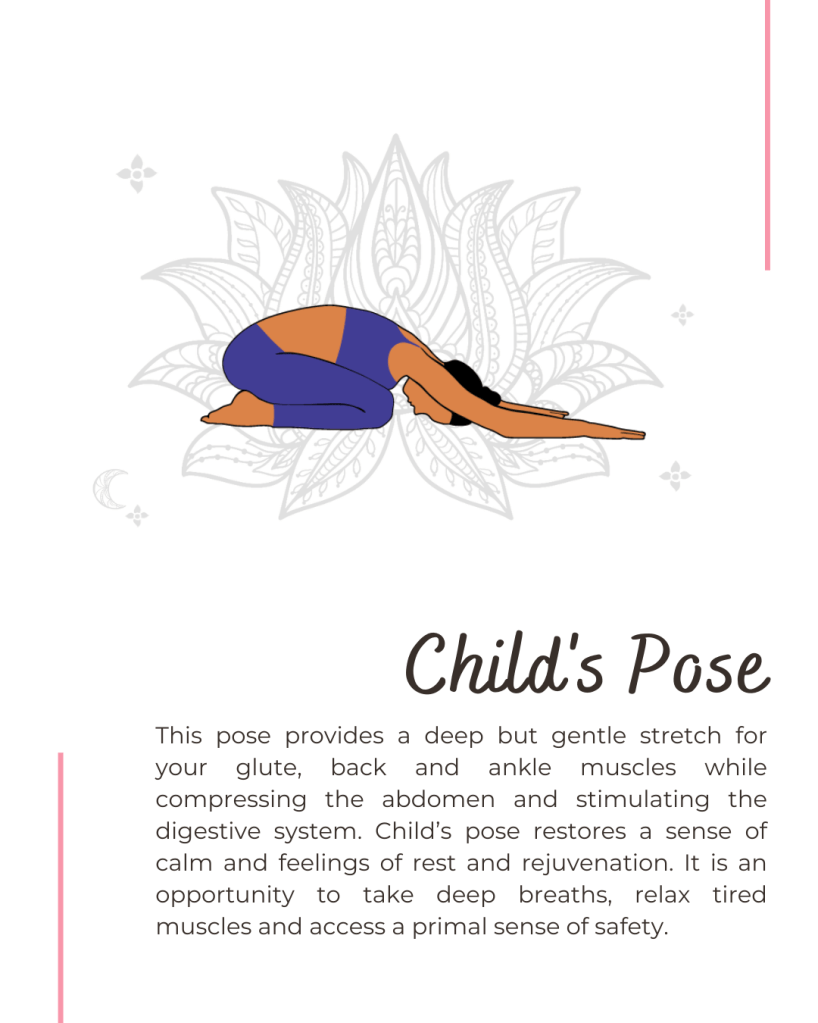
- Helps calm the brain.
- Relieves stress.
- Eases lower back pain.
- Creates a nice stretch in the hips and thighs.
- Increases circulation.

The Benefits of Child’s Pose

The name comes from the Sanskrit words vṛkṣa (वृक्ष) meaning “tree”, and āsana (आसन) meaning “posture”.
History of Tree Pose
A 7th-century stone carving in Mahabalipuram appears to contain a figure standing on one leg, perhaps indicating that a pose similar to vrikshasana was in use at that time. It is said that sadhus disciplined themselves by choosing to meditate in the pose.
The pose is described in the 17th century Gheraṇḍa Saṃhitā.
Description of Tree Pose
From Tadasana, weight is shifted to one leg, for example, starting with the left leg. The entire sole of the foot remains in contact with the floor. The right knee is bent and the right foot placed on the left inner thigh, or in half lotus position. In either foot placement, the hips should be open, with the bent knee pointing towards the side. With the toes of the right foot pointing directly down, the left foot, center of the pelvis, shoulders and head are all vertically aligned. Hands are typically held above the head either pointed directly upwards and unclasped, or clasped together in anjali mudra. The asana is typically held for 20 to 60 seconds, returning to tadasana while exhaling, then repeating standing on the opposite leg.
Benefits of Tree Pose (Vrikshasana)



Vitamin B Complex – Vegetarian

Vitamin D – Non GMO and Gluten Free

Eat Pray Love….by Elizabeth Gilbert

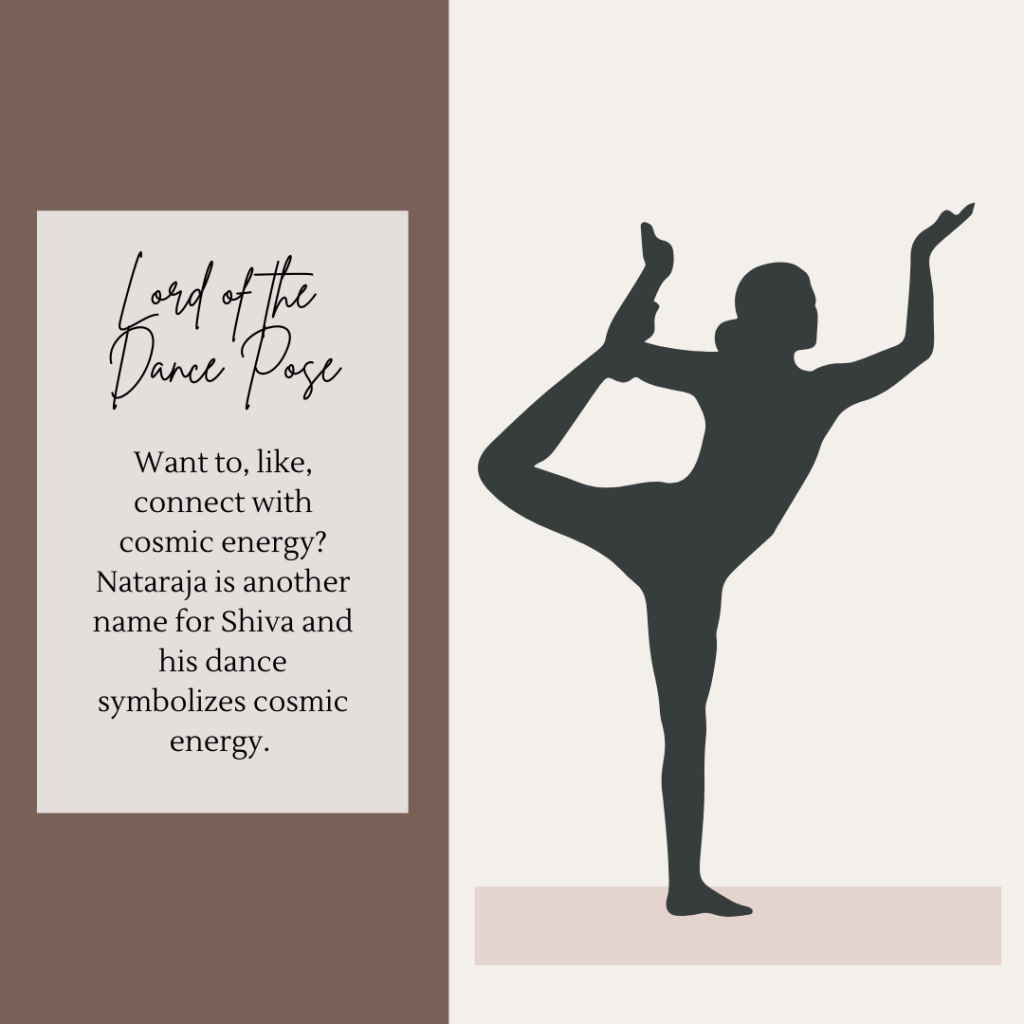
Connect with cosmic energy with Lord of the Dance Pose. Lord of the Dance Pose or Dancer Pose is a standing, balancing, back-bending asana in modern yoga as exercise. It is derived from a pose in the classical Indian dance form Bharatnatyam, which is depicted in temple statues in the Nataraja Temple, Chidambaram.

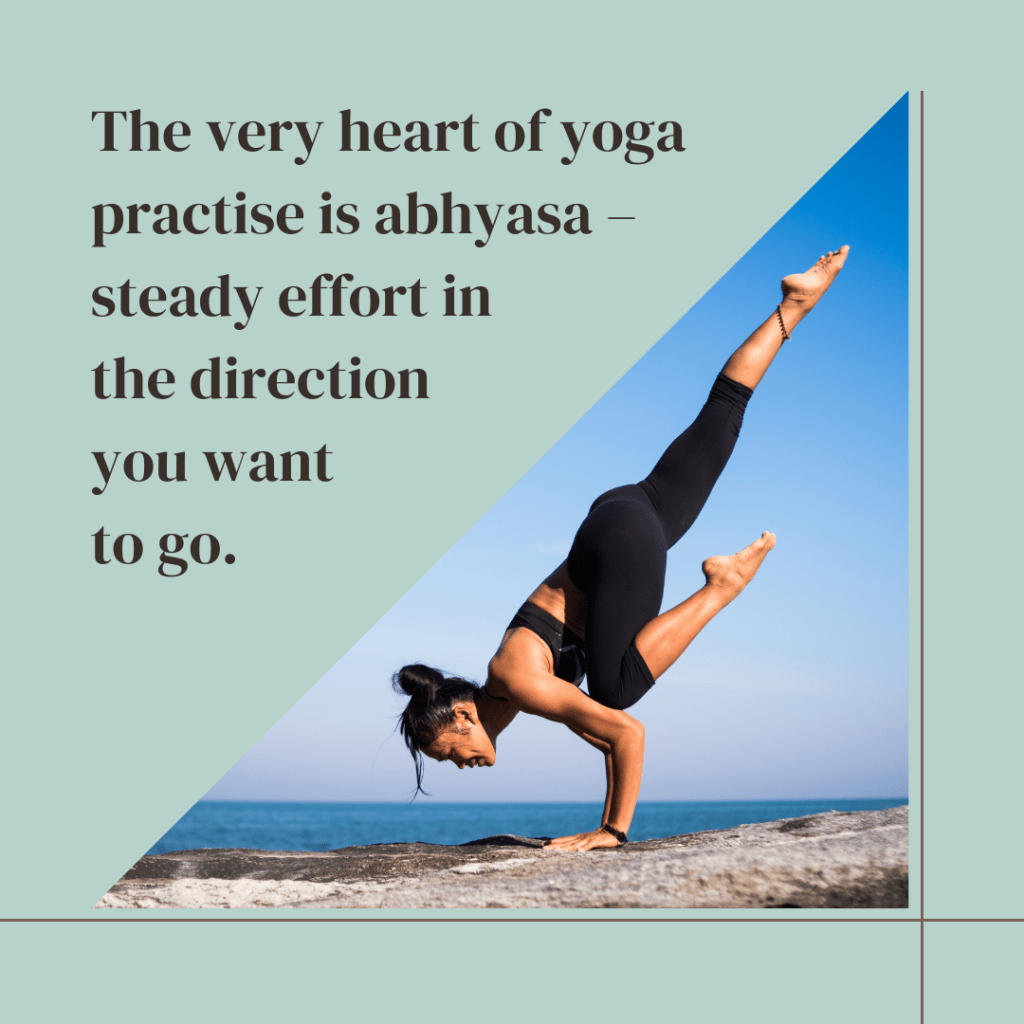
Take some time each morning to ground yourself and reminds yourself of the direction in which you wish to go. A simple journal can be helpful. You can also use that same journal when you go to bed to reflect on the day.
Take some time each morning to ground yourself and reminds yourself of the direction in which you wish to go. I simple journal can be helpful. You can also use that same journal when you go to bed to reflect on the day.
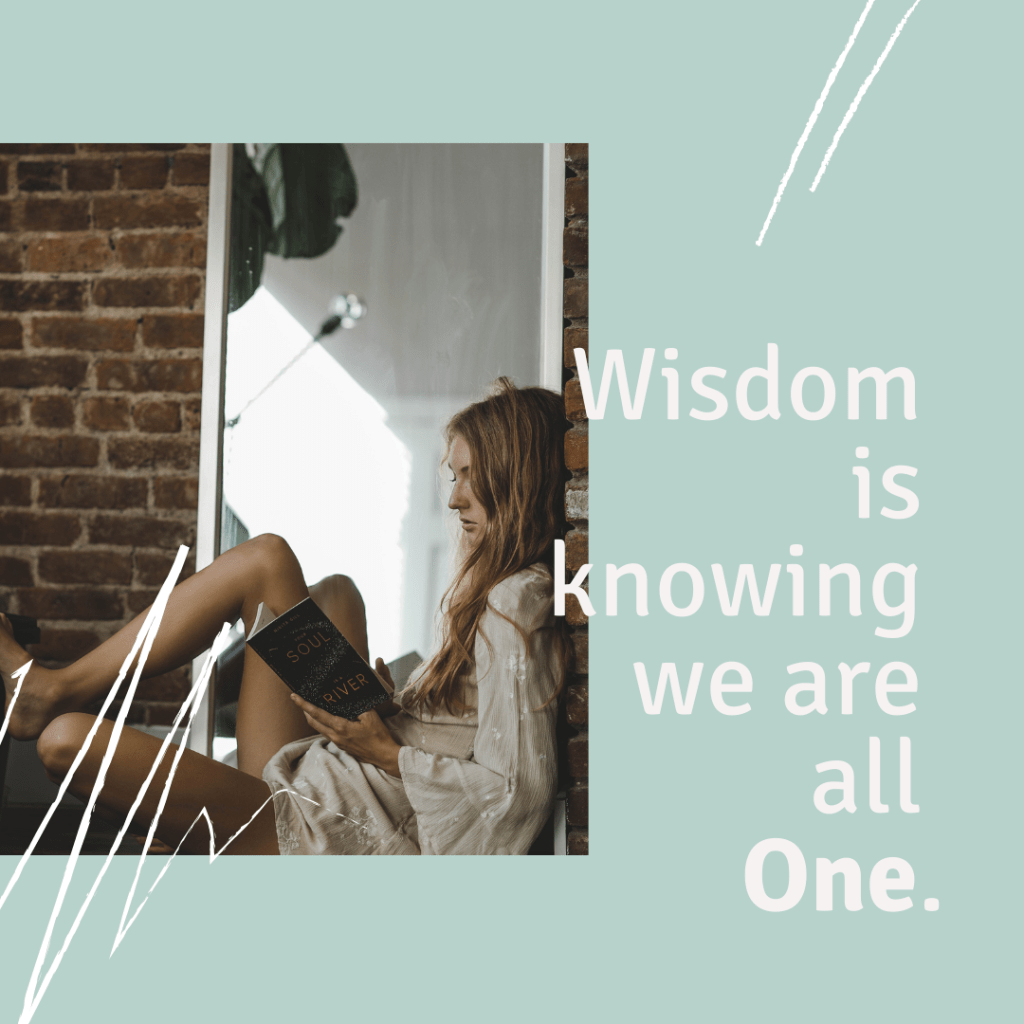
Yoga is much more than the physical movement of our bodies on the yoga mats. Yoga also offers us insights into our motivations, our desires and the ways in which we think and feel about ourselves. We can broaden our experience of yoga by exploring yoga philosophy and mythology. This approach is called Jnana (NYAH-nah) Yoga. The Sanskrit word jnana means wisdom and jnana yoga means the yoga of wisdom. In our lives as yoga practitioners, we can cultivate an intelligence of both our bodies and our minds. Wisdom can be found in every corner, whether we are moving on our mats, practicing meditation on a cushion or reading ancient texts. Yoga is wisdom.
from…Yoga 365 – Daily Wisdom for Life on and off the Mat
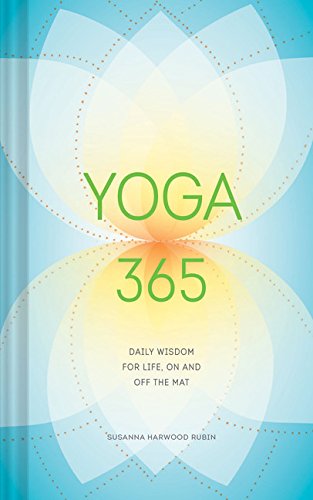
Connect with cosmic energy with Lord of the Dance Pose. Lord of the Dance Pose or Dancer Pose is a standing, balancing, back-bending asana in modern yoga as exercise. It is derived from a pose in the classical Indian dance form Bharatnatyam, which is depicted in temple statues in the Nataraja Temple, Chidambaram.
The name comes from the Sanskrit words vṛkṣa (वृक्ष) meaning “tree”, and āsana (आसन) meaning “posture”.
History of Tree Pose
A 7th-century stone carving in Mahabalipuram appears to contain a figure standing on one leg, perhaps indicating that a pose similar to vrikshasana was in use at that time. It is said that sadhus disciplined themselves by choosing to meditate in the pose.
The pose is described in the 17th century Gheraṇḍa Saṃhitā.
Description of Tree Pose
From Tadasana, weight is shifted to one leg, for example, starting with the left leg. The entire sole of the foot remains in contact with the floor. The right knee is bent and the right foot placed on the left inner thigh, or in half lotus position. In either foot placement, the hips should be open, with the bent knee pointing towards the side. With the toes of the right foot pointing directly down, the left foot, center of the pelvis, shoulders and head are all vertically aligned. Hands are typically held above the head either pointed directly upwards and unclasped, or clasped together in anjali mudra. The asana is typically held for 20 to 60 seconds, returning to tadasana while exhaling, then repeating standing on the opposite leg.
Benefits of Tree Pose (Vrikshasana)

Vitamin B Complex – Vegetarian
Vitamin D – Non GMO and Gluten Free
Eat Pray Love….by Elizabeth Gilbert

You are posed for flight! The actions you take begin with the thoughts that you make. Using intention in your daily practice helps guide your projectory and helps you find your power and balance. It is an ongoing process that can begin on the mat and then taken into your day.

8 LIMBS OF YOGA PRACTICE CARDS
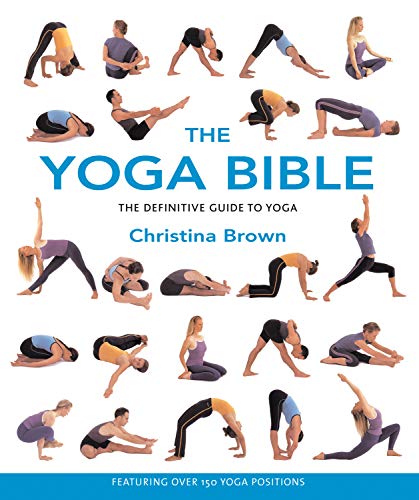

Ustrasana is a deep backward bend from a kneeling position. The completed pose has the hands on the heels. The backs of the feet may be flat on the floor, or the toes may be tucked under for a slightly less strong backbend.
Ustrasana works subtlyto improve conditions of the digestive, respiratory, endocrine, lymphatic, skeletal, and circulatory systems.
In addition to boosting energy, some of the many benefits include:
 Inspired Life