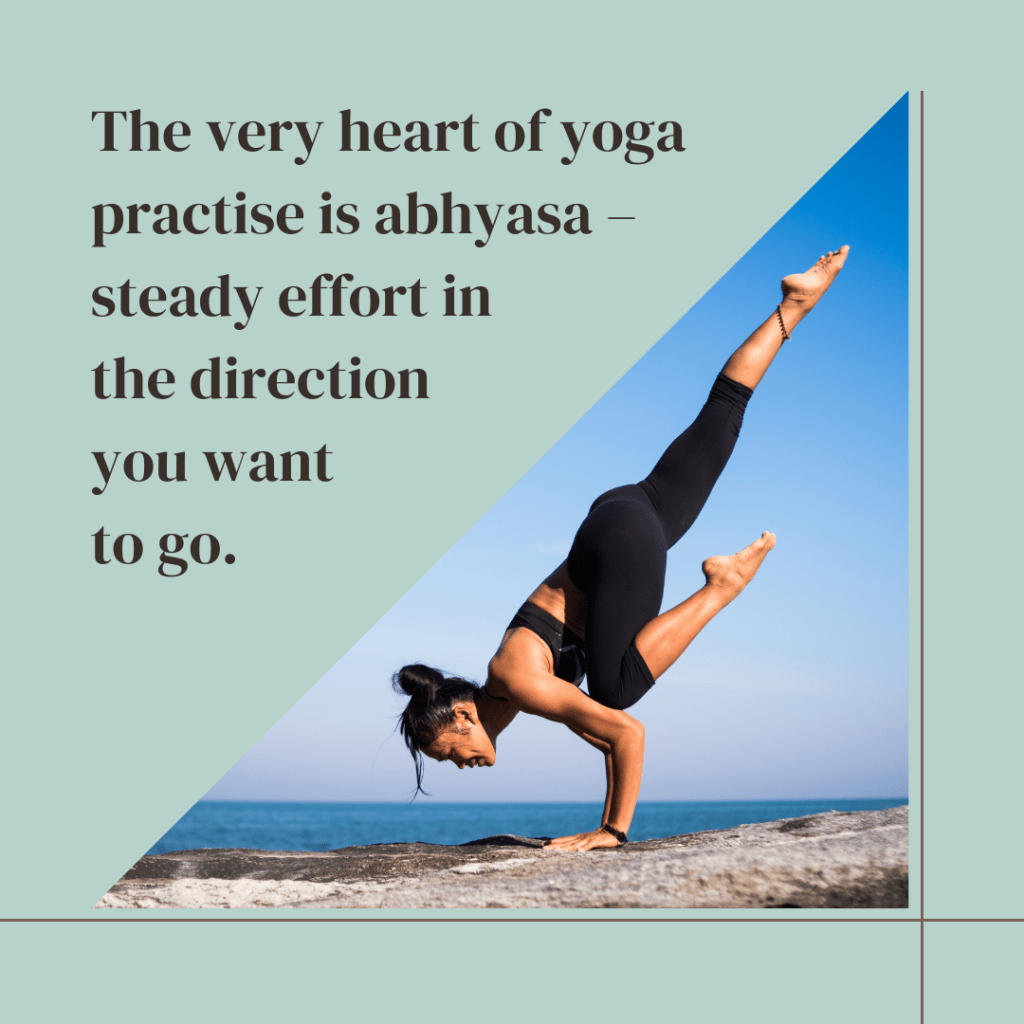
Take some time each morning to ground yourself and reminds yourself of the direction in which you wish to go. I simple journal can be helpful. You can also use that same journal when you go to bed to reflect on the day.

Take some time each morning to ground yourself and reminds yourself of the direction in which you wish to go. I simple journal can be helpful. You can also use that same journal when you go to bed to reflect on the day.

Setu Bandha Sarvāṅgāsana (Sanskrit: सेतु बन्ध सर्वाङ्गासन), Shoulder supported bridge or simply Bridge, also called Setu Bandhāsana, is an inverted back-bending asana in hatha yoga and modern yoga as exercise
The pose is named from the Sanskrit words सेतु Setu, a bridge; बन्ध Bandha, caught; सर्वा Sarva, all; ङ्ग Anga, limb; and आसन Asana, seat or posture.
The pose appears as “Kāmapīṭhāsana” in the 19th century Sritattvanidhi (written before 1868).[
The pose is entered from Sarvāṅgāsana (shoulderstand), the chest being held forwards by the hands and the feet lowered to the ground behind the back, the knees remaining bent; or more easily, by lifting the back from lying supine on the ground. The full pose has the knees bent and the ankles caught (Bandha) by the hands. The pose may be exited either by lying down or by jumping back up into shoulderstand.
A common form of the pose has the arms straight out along the ground towards the feet, the arms straight with the fingers interlocked. Some practitioners are able to straighten the legs in the pose.
(wiki)
Benefits of Bridge Pose (yes…there’s lots)
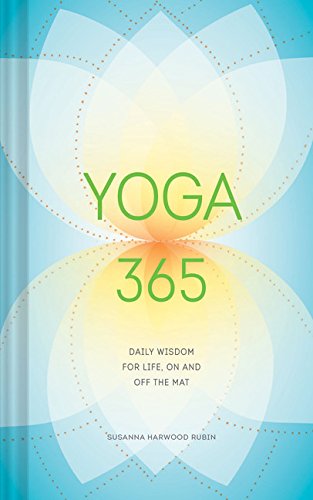
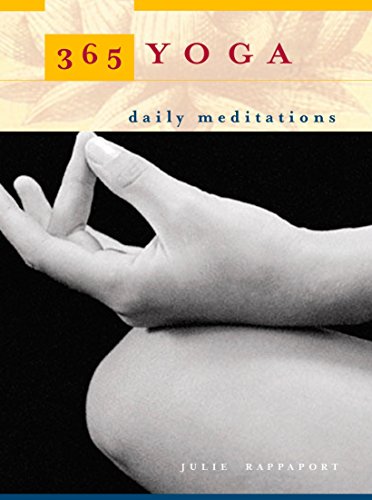
365 Yoga (Meditations)

You are posed for flight! The actions you take begin with the thoughts that you make. Using intention in your daily practice helps guide your projectory and helps you find your power and balance. It is an ongoing process that can begin on the mat and then taken into your day.

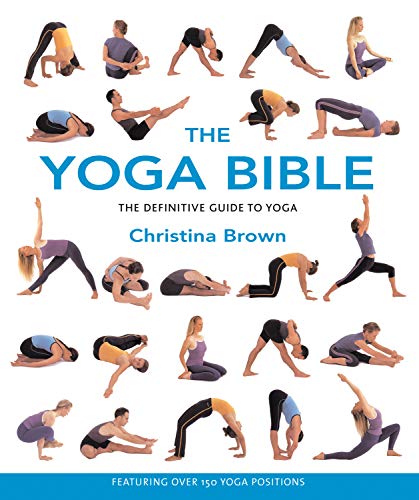

The Breath Invites Expansiveness
“With each inhale, our lungs fill and our rib cage expands gently outward and upward, similar to an umbrella stretching open. With each exhale, the umbrella in released, allowing us to relax. Because the breath literally expands our upper torso, it can create a feeling of expansiveness within us. This can make us feel more powerful, reminding us that we can always become more open and spacious in our lives simply by breathing. Several times throughout your day today, draw your attention to your breath, noticing whether the experience of your physical expansiveness invites you in to a more expansive sense of self.”
from Yoga 365, Daily Wisdom for Life, On and Off the Mat
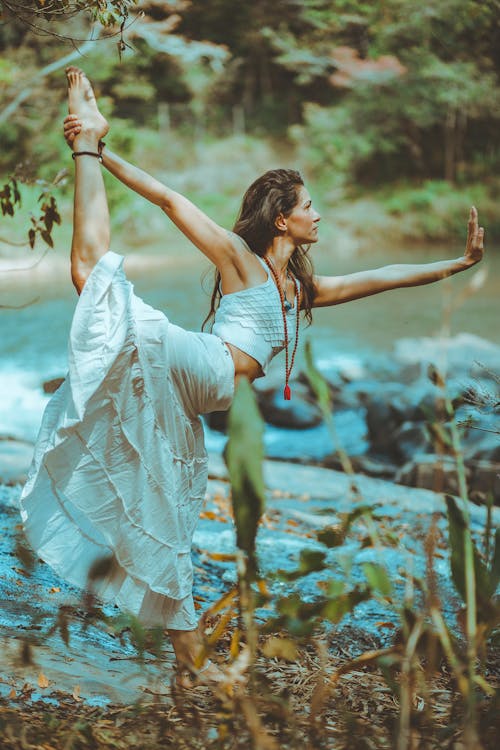
Take some time each morning to ground yourself and reminds yourself of the direction in which you wish to go. I simple journal can be helpful. You can also use that same journal when you go to bed to reflect on the day.

“If you change the way you look at things, the things you look at change.” by Wayne Dyer

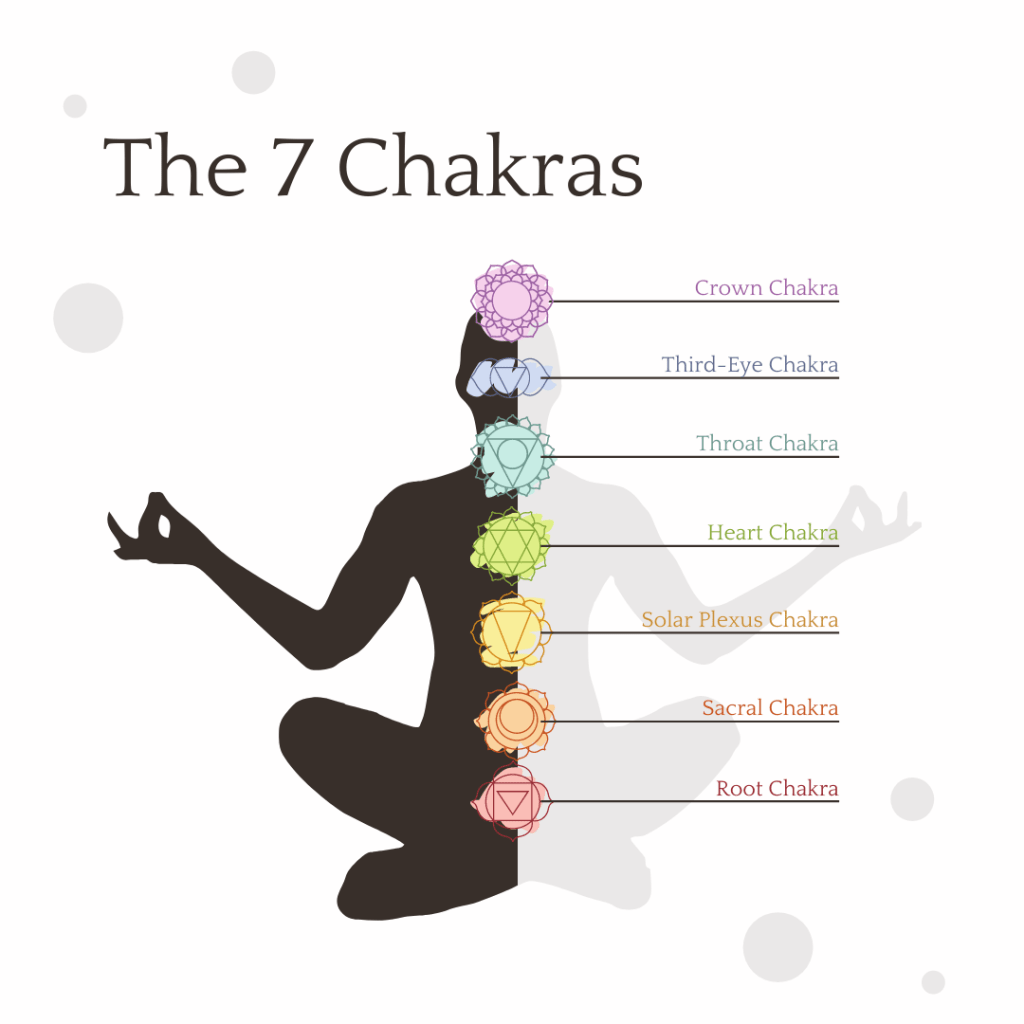
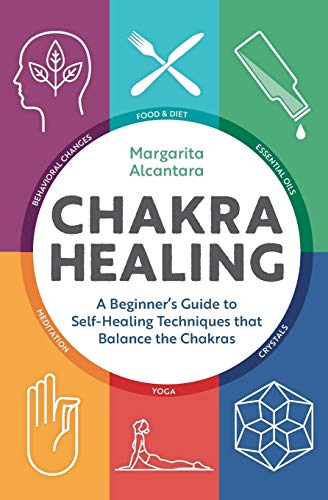
The important chakras are stated in Hindu and Buddhist texts to be arranged in a column along the spinal cord, from its base to the top of the head, connected by vertical channels. The tantric traditions sought to master them, awaken and energize them through various breathing exercises or with assistance of a teacher. These chakras were also symbolically mapped to specific human physiological capacity, seed syllables (bija), sounds, subtle elements (tanmatra), in some cases deities, colors and other motifs.
CHAKRA SOUNDS
There are numerous sound that seem to resonate the chakras. Among the most popular are the use of vowels and the use of mantras. This use of vowels seem to be highly effective in balancing the chakras. The Sacred Vowel are considered sacred in many different traditions and Mystery Schools throughout the planet, including ancient Egyptians, Hebrew, Islamic, Tibetan, Japanese and Native American. There are a number of different systems of Sacred Vowels to balance the chakras. I have utilized a system of sounding the sacred vowels that came to me many years ago and that I have shared effectively with thousands of people. (https://www.healingsounds.com/sound-and-the-chakras/)

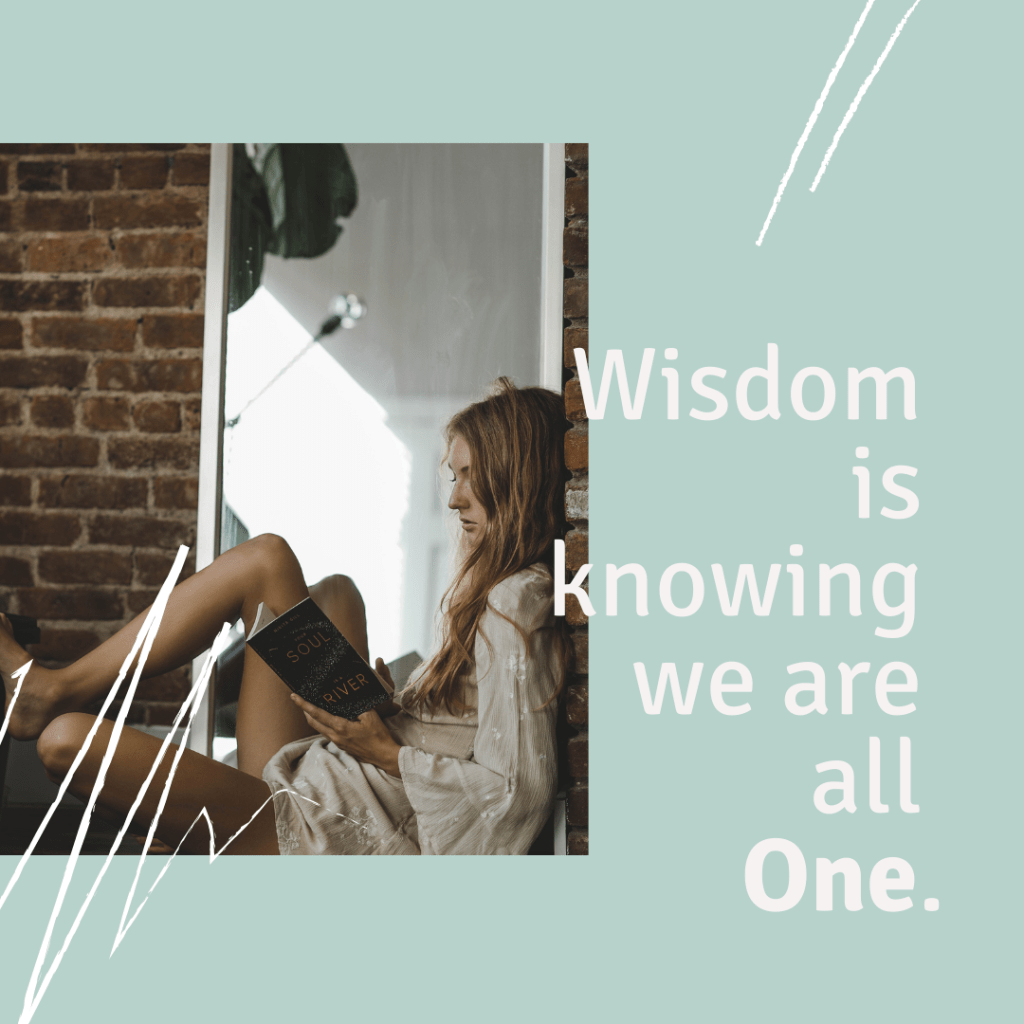
Yoga is much more than the physical movement of our bodies on the yoga mats. Yoga also offers us insights into our motivations, our desires and the ways in which we think and feel about ourselves. We can broaden our experience of yoga by exploring yoga philosophy and mythology. This approach is called Jnana (NYAH-nah) Yoga. The Sanskrit word jnana means wisdom and jnana yoga means the yoga of wisdom. In our lives as yoga practitioners, we can cultivate an intelligence of both our bodies and our minds. Wisdom can be found in every corner, whether we are moving on our mats, practicing meditation on a cushion or reading ancient texts. Yoga is wisdom.
from…Yoga 365 – Daily Wisdom for Life on and off the Mat

Yoga Starter Kit


 Inspired Life